Navigating Thanksgiving After Loss: Finding Peace in Gratitude Through Grief
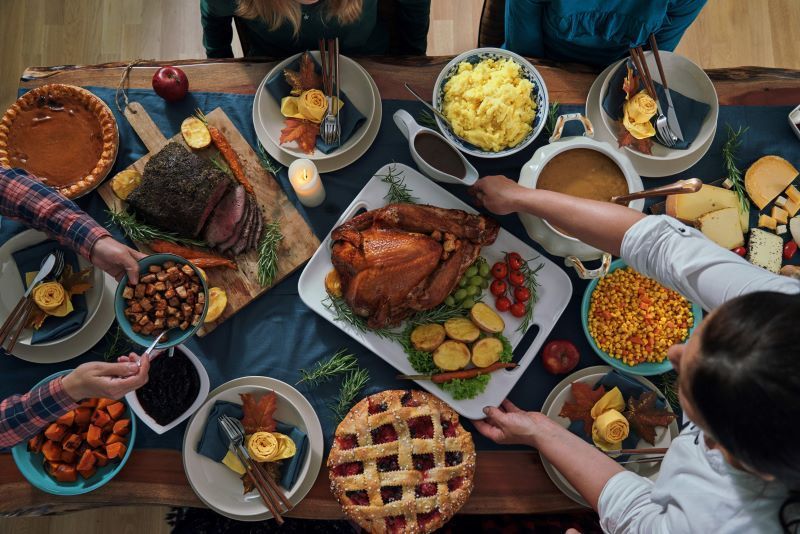
A group of people are sitting at a table eating a thanksgiving dinner.

Thanksgiving can be challenging when you’re grieving. A holiday centered on gratitude, family gatherings, and celebration can seem daunting when someone close to you is no longer there. The traditions that used to bring warmth might now feel empty, and feelings of sadness, anger, or confusion may overshadow gratitude. But in times of loss, Thanksgiving can also offer a unique opportunity to remember, honor, and slowly begin healing. Here are some gentle ways to approach Thanksgiving after losing a loved one, allowing space for both grief and gratitude.


1. Acknowledge Your Feelings

It’s okay if you’re not feeling grateful or festive this Thanksgiving. Loss can bring waves of complex emotions, and it’s essential to honor these feelings without judgment. Grief isn’t linear; it shows up in unexpected ways and doesn’t always align with holiday expectations. Allow yourself to feel however you need to, whether it’s sadness, anger, or even numbness. Give yourself permission to experience Thanksgiving differently this year.


2. Create Space for Remembrance

Thanksgiving can be a beautiful opportunity to honor your loved one’s memory. Consider setting a place at the table for them, lighting a candle, or making their favorite dish. Invite others to share stories about your loved one, reflecting on the joy they brought to your lives. By creating space for their memory, you’re not only honoring them but also integrating their presence into your traditions.


3. Embrace New Traditions

After a loss, it can be painful to follow the same rituals and traditions. Instead, try exploring new traditions that feel right for you. Maybe this Thanksgiving, you decide to spend time in nature, volunteer at a shelter, or have a smaller, quieter meal with close friends or family. New traditions don’t erase the old ones—they’re ways to adapt to your current emotional landscape and honor your needs during this time.


4. Connect with Others Who Understand

Grieving can often feel isolating, especially during a holiday centered around togetherness. If you have friends or family who are also experiencing loss, reach out and connect with them. If that’s not possible, consider looking into local support groups or online communities where people share similar experiences. Knowing you’re not alone in your grief can be comforting, and the shared understanding can bring a sense of community that’s especially healing during the holidays.


5. Focus on Small Moments of Gratitude

Gratitude may feel difficult or even impossible to access when grieving, but it doesn’t have to be about grand gestures or feelings. Instead, focus on small, quiet moments that offer peace or comfort, such as a beautiful sunset, the warmth of a cozy blanket, or a kind word from a friend. These small things can provide a gentle reminder that joy can still coexist with sorrow.


6. Give Yourself Permission to Skip or Scale Back the Celebration

You might feel pressured to put on a brave face or participate fully in Thanksgiving traditions, but it’s okay if that’s not where you’re at this year. Give yourself permission to set boundaries and skip or scale back on what feels overwhelming. Grief doesn’t follow a holiday schedule, and it’s okay to take a step back to care for yourself. Loved ones will understand if you need a little more space or choose to spend the holiday differently.


If Thanksgiving feels especially hard this year, remember you’re not alone. Grief is a testament to love, and by finding ways to celebrate, you’re honoring the love that still lives on within you. May this Thanksgiving bring you moments of comfort, the warmth of cherished memories, and the quiet understanding that healing is a journey you don’t have to walk alone.


January 12, 2026
Dealing with the loss of a loved one can be overwhelming to your surviving family and friends, but pre-planning your funeral service can help them better deal with the stress of losing someone.  Choose the Type of Service You Want Pre-planning your funeral service can not only ease the burden on your loved ones, but it helps ensure your final wishes are honored. While some families struggle with making those final decisions after losing someone, your family won’t have to worry with making those hard choices. Choose what funeral home and director you would like to use to handle your service. Decide what type of service you want (traditional, cremation, donation, etc…). If you choose a traditional service with burial, decide where you want to be buried. Meet with the funeral director and look at your options for caskets and urns. If you decide you want to be buried, choose clothing options. Look at options for a location to hold your service (funeral home, religious facility, sentimental building, graveside). What type of flowers do you want? Do you want flowers, or would you rather donations be given to a particular charity or a charity of one’s choice? Who will be a part of your service? You should decide on pallbearers and even ask them personally. You should also decide who you would like to officiate or participate in your service. Choose which songs you would like played at your service. Write an obituary or make notes about information you would like to be included in your obituary. Choose Who You Want to be in Charge Your family and friends want to take part in the process of fulfilling your final wishes, they only need instructions on what they need to do. Make sure someone, preferably your executor, has a copy of the will. Give a family member or chosen friend a list of important account information that will need to be contacted and handled following your death. Also make sure someone knows your final wishes for your desired service. Designate someone to be your power of attorney. Have someone prepared to cancel basic utility services and subscriptions. Choose To Pay In Advance Making decisions about your funeral service in advance can benefit you and your survivors financially. If possible, pay for all expenses in advance, freeing your family from that financial burden. When possible, pre pay for: Cemetery services, burial plot All funeral arrangements including casket, urn, flowers, transportation and specialized services
By Shelly Zipperle January 8, 2026
Frequently-asked questions and answers about Veterans benefits.
By Tukios Websites July 24, 2025
Attending a funeral or memorial service can stir up many emotions, and for some, one of the first questions that comes to mind is: What should I wear? While traditions around funeral attire have evolved, dressing appropriately remains a way to show respect—for the person who has passed and for their loved ones. Whether the service is formal, casual, religious, or a celebration of life, here are a few thoughtful guidelines to help you choose what to wear. 1. Stick to Neutral, Conservative Colors Black is the traditional color of mourning in many cultures, but it's not your only option. Other respectful colors include navy, gray, deep green, brown, and muted tones. Avoid bright colors, loud patterns, or anything that draws unnecessary attention unless the family has requested otherwise. Tip: Some services may invite guests to wear the deceased’s favorite color or dress casually—check the obituary or invitation for guidance. 2. Dress Modestly and Neatly Funeral services are somber occasions, so choose clothing that is clean, pressed, and conservative: For women, options include a modest dress, blouse with slacks, or a skirt paired with a cardigan or blazer. For men, a dress shirt with slacks, a suit, or a sport coat with a tie is appropriate. 3. Footwear Matters, Too Choose closed-toe shoes that are comfortable, especially if you'll be standing or walking at a graveside service. Simple dress shoes, loafers, or flats work well. Avoid athletic sneakers or flip-flops unless the service is explicitly casual or outdoors. 4. Consider the Location and Weather The setting of the service can influence your outfit: For outdoor or graveside services, wear weather-appropriate clothing and shoes that can handle grass or gravel. Bring an umbrella or coat if needed. Dark outerwear is always a safe choice. In a place of worship, modest attire is often expected regardless of the season. 5. Keep Accessories Simple This is not the time for flashy jewelry or bold accessories. Choose understated items that won’t distract from the purpose of the gathering. 6. What About Children? Children should also be dressed neatly and conservatively. Simple outfits in neutral colors are best. If unsure, dress them as if attending a formal family event or church service. 7. When in Doubt, Dress Up a Bit It’s always better to be slightly overdressed than too casual at a funeral. If you’re unsure about the dress code, err on the side of formality. A respectful appearance helps convey sympathy and support. What you wear to a funeral doesn’t need to be fancy or expensive—but it should reflect care, humility, and consideration. Remember: your presence is what matters most
By Tukios Websites July 14, 2025
Planning a funeral or cremation—whether for a loved one or preplanning for yourself—can feel overwhelming. There are many decisions to make, all while navigating the emotions that come with loss. But with a little preparation and guidance, the process can be meaningful, healing, and manageable. Whether you're planning ahead or handling arrangements after a loss, this guide walks you through the key steps of planning a funeral or cremation service. 1. Decide Between Burial and Cremation One of the first decisions to make is whether the individual will be buried or cremated. This choice often depends on personal, cultural, or religious preferences. Burial typically involves a casket, a graveside service, and a cemetery plot. Cremation may still include a funeral or memorial service and allows for more flexible options such as scattering, keeping an urn, or burying cremated remains. Some families choose direct cremation (without a service) or direct burial and hold a memorial at a later time. 2. Decide on the Type of Service There are many ways to honor a life, including: Traditional funeral service (usually with the body present) Memorial service (typically after cremation or burial) Celebration of life (a more personalized, informal event) Services can take place at the funeral home, a place of worship or outdoors. Choose what best reflects the person’s life and what brings comfort to those attending. 3. Select the Details You’ll want to personalize the service with details such as: Obituary and newspaper or online notices Casket or urn selection Music, readings, or spiritual elements Photos, videos, or displays of personal items Flowers or charitable donation options Who will speak, perform, or participate Many families also choose to include military honors, religious traditions, or cultural customs. 4. Consider Final Resting Place Options For burials: Choose a cemetery and purchase a plot if one isn’t already owned Decide on a headstone or grave marker For cremation: Decide whether ashes will be kept, scattered, buried, or placed in a niche Some families divide ashes among keepsake urns or jewelry 5. Handle Legal and Practical Matters Don’t forget the necessary paperwork: Obtain a death certificate (you may need multiple copies) Notify Social Security and financial institutions Handle wills, trusts, and estate matters If applicable, coordinate with veterans’ services or insurance providers Funeral directors can help guide you through most of this, but having documents organized in advance can ease the burden. 6. Consider Preplanning Preplanning your own arrangements relieves your loved ones of decision-making during an emotional time. You can: Specify burial or cremation preferences Choose the type of service and location Prepay or set aside funds Record personal touches you’d like included Preplanning ensures your wishes are followed—and it brings peace of mind to everyone involved. While planning a funeral or cremation is never easy, it is an opportunity to reflect, remember, and celebrate a life. Whether you’re planning for the future or coping with a loss today, take each step at your own pace, and don’t hesitate to reach out to professionals or trusted loved ones for support.
More Posts »

More Resources & Support